
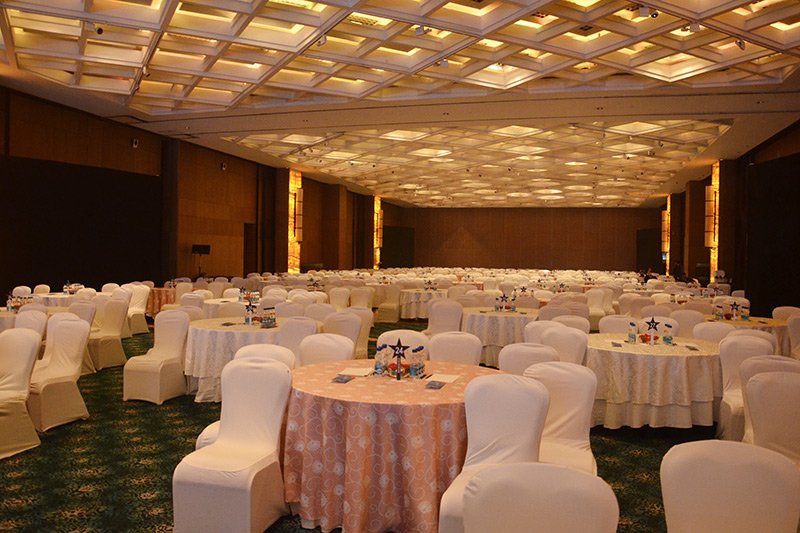
The audience sees the stage. The operations team sees about fifty things happening behind it.
A gala dinner may look effortless: an elegant venue, a great performance, awards presented at exactly the right moment and dinner served without interruption.
But none of that happens by accident.
The running order is everything
Awards, speeches, entertainment, videos and dinner service must fit together.
A programme overloaded with speeches can exhaust the audience. Too much entertainment between awards can make the evening lose momentum.
The best running order has rhythm.
Production needs time
Lighting, sound, screens, stage movements and video content should be checked with the people who will actually operate them.
A rehearsal isn’t only for the host. It’s for the technical team, performers, award coordinators and anyone responsible for a cue.
Awards require backstage coordination
Correct names, presentation order, trophies, certificates, photographs and recipient movement all need planning.
A small error on stage becomes a very public error.
Entertainment should suit the audience
A great act at one event may be completely wrong for another.
The audience profile, corporate culture, venue layout and event objective should determine the entertainment, rather than simply booking whatever is currently popular.
Dinner has its own schedule
An elaborate show is no consolation if guests haven’t eaten for hours.
The banquet team needs to understand the evening’s flow, the timing of service and any restrictions created by the stage programme.
Always know the next move
What happens if a performer is late? A speech runs long? The awards take longer than planned?
Someone needs to make the call, communicate it and keep the evening moving.
The real achievement of a well-run gala is that guests rarely notice how much work went into it.